Building
Baltimore’s
Future
Together
Mayor Brandon M. Scott’s First Term Report: A Reflection on Progress, Resilience, and Transformation






Letter
From
The
Mayor

As I look back on the past four years, I am proud of the progress we’ve made in building a stronger, more equitable Baltimore.
When I first took office, I committed to building public safety, prioritizing our young people, improving city services, promoting equitable development, and creating healthier, cleaner communities. While we still have much work ahead of us, we’ve made meaningful progress, and Baltimore is moving forward.
As I reflect on my administration’s accomplishments during this first term, we cannot overlook the extraordinary challenges we have faced together. From the ongoing fight against the COVID-19 pandemic to the unprecedented collapse of the Francis Scott Key Bridge, our city has endured crises that tested our resolve and unity. Yet, in these moments of adversity, we demonstrated the strength of our community. We mobilized critical resources to protect lives, supported impacted families and workers, and forged partnerships to build a more resilient Baltimore.
Together, we’ve made our streets safer by embracing comprehensive violence reduction strategies and ensuring accountability through ongoing police reform. We’ve modernized how we deliver services, allocating resources where they are most needed and setting a new standard for transparency and fiscal responsibility. By investing in equitable development, we are addressing vacant properties, expanding affordable housing, and creating more opportunities for all Baltimoreans to thrive.
This report reflects the hard work and commitment of so many—from city employees to community partners—who share the vision of a better Baltimore. It’s a reflection of how far we’ve come and a reminder that this is only the beginning.
Thank you for your partnership and for believing in what we can accomplish together. The work we are doing is building a foundation for lasting, transformative change. I look forward to continuing this important journey with you.
Building
Public
Safety
Creating Safer Streets for All
- Introduction
- A New Era
- Comprehensive Vision
Public safety is the cornerstone of a thriving city. Our approach has focused on reducing violence through community-based strategies, police reform, and holding ourselves accountable to the residents of Baltimore. By embracing a holistic view of safety, we are not just reacting to crime, but working to address its root causes and build a safer, more just city for all.
In 2021, Mayor Brandon M. Scott released Baltimore’s first-ever Comprehensive Violence Prevention Plan (CVPP) to advance holistic, evidence-based solutions to public safety. This approach understands that, while constitutional law enforcement serves a critical role in reducing crime, the full weight of public safety cannot and should not fall solely on the shoulders of police.
The Scott Administration has continued to emphasize prevention, intervention, victim services, and re-entry — alongside enforcement — to deliver sustainable and equitable reductions in violent crime.
In April 2024, Mayor Scott and MONSE published the first biennial update of Baltimore’s Comprehensive Violence Prevention Plan (https://www.baltimorecity.gov/CVPPUpdate2024) setting the platform to continue to grow and strengthen Baltimore’s public health approach to violence prevention.
- Historic Reduction in Homicides
- Progress
This comprehensive approach has helped produce a historic 20% drop in homicides in 2023. As of 12/04/2024, homicides are down 25% and nonfatal shootings are down 33.8% this year on top of that historic reduction.
Progress in Reducing Violence Since 2020 These reductions would not be possible without each and every Baltimorean, community-partner, agency, and law enforcement personnel working daily to make communities across our great city safer for our older adults, our children, and everyone in between.
Historic Reductions in Violence 2020-2024
No Data Found
GROUP Violence reduction Strategy
GVRS facilitates direct, sustained engagement with a small number of group-involved individuals who are the most likely to be the victim or perpetrator of violence. All shootings and homicides that occur in districts where GVRS is active are reviewed at a weekly Violence Review, where individuals at the highest risk of violence, victimization, and retaliation are identified as prospective participants. From these identifications, eligible individuals are offered services to help them step away from behaviors associated with violence and are provided a clear mandate to put down the guns or face swift, certain, and legitimate accountability through the criminal justice system.
195 Participants have stepped away from violence through Youth Advocate Program (YAP) and Roca.
GVRS Started in the Western District in January 2022, GVRS now covers the Southwestern, Central, and Eastern Districts.

Mayor's Office of Neighborhood Safety & Engagement (MONSE)
- Victim Services
- Re-Entry
- Neighborhood Stabilization
453 victims served in FY ‘24 Expanded victim services to include gunshot victims – a first for Baltimore – and “indirect victims” including family or friends of the victim, or even witnesses to the victimization, that are impacted by trauma and violence in their communities.
Established re-entry work at the local government level including employment for incarcerated Baltimoreans prior to release and Safe Return Plans tailored to individual needs in order to ensure residents returning from prison are able to successfully re-enter society.
Activated 47 Coordinated Neighborhood Stabilization Responses (CNSRs)to reduce retaliation, address trauma, and promote healing, including in Brooklyn Homes after last summer’s mass shooting.


Baltimore Police Department (BPD)
- Police Redistricting
- Ghost Guns
- Regaining Local Control
A Historic Reform: For the first time in over 50 years, Baltimore implemented police redistricting, underscoring the administration’s commitment to a more equitable and effective public safety strategy tailored to the city’s evolving needs.
Mayor Scott’s Role: As a councilperson, Mayor Scott championed the legislation that laid the groundwork for this historic reform.
Impact: Police resources are now better aligned with community demographics and priorities.
$1.2M Settlement Won from Polymer80, holding ghost gun manufacturers accountable.
Nation-Leading Terms: The settlement includes the most expansive and strictest injunctive measures against ghost gun manufacturers of any jurisdiction in the U.S.
A Historic Achievement: In a monumental step toward accountability and community-driven public safety, Baltimore regained local control of its police department for the first time in over 160 years.
Mayor Brandon Scott’s Leadership: As a councilperson, Mayor Scott championed this effort alongside community advocates, laying the groundwork that returned power to the city’s residents and leaders.
| 2020 | 2021 | 2022 | 2023 | 2024 YTD |
|---|---|---|---|---|
|
40.3% |
42.0% |
36.3% |
40.7% |
66.9% |
| 2021 | 2022 | 2023 | 2024 YTD |
|---|---|---|---|
|
2,319 guns |
2,688 guns |
2,902 guns |
2,065 guns |
|
352 ghost guns |
486 ghost guns |
462 ghost guns |
250 ghost guns |
GUNS SEIZED
BPD HOMICIDE CLEARANCE RATES
Significant progress on Federal Consent Decree


Prioritizing
Youth
Our youth are the
future of Baltimore

- Introduction
Our youth are the future of Baltimore, and investing in them is an investment in our city’s long-term success. By expanding educational opportunities, job programs, quality spaces for youth and mentorship initiatives, we are empowering young people to reach their full potential. Prioritizing youth ensures that every young person in Baltimore has the support and resources they need to thrive.

Delivering 21st Century Learning Environments Across the City
In Mayor Scott’s first term, Baltimore City prioritized education with a record $477.1 million investment in the Fiscal Year 2025 Budget—a 47.7% increase in three years.
12 NEW SCHOOLS
21st Century school buildings completed for Baltimore students.
75K
Students served citywide

Recreation & Parks
$120M
Invested for world class recreation
$80M
Invested in recreation centers, playgrounds, athletic fields, and trails.
$40M
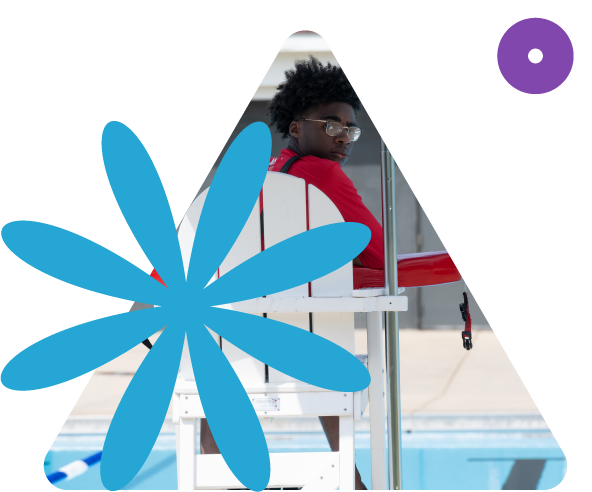
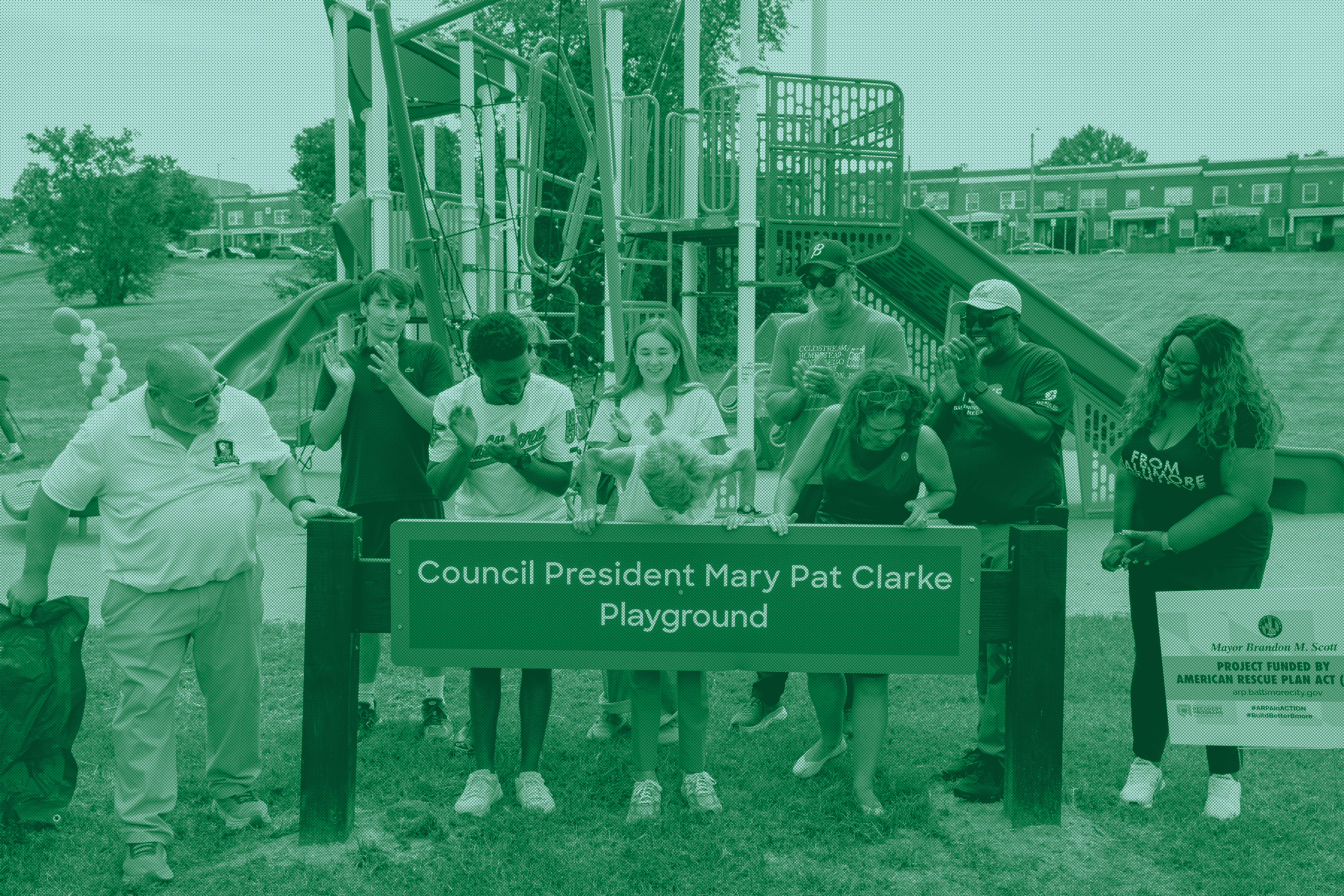
20 playgrounds, 8 athletic courts, 3 rec centers, 3 pools, and trail signage funded with ARPA funds

Recreation & Park Highlights
Recreation Centers (10)
Gardenville Recreation Center
Chick Webb Recreation Center
Bocek Recreation Center
Congressman Elijah Cummings Recreation Center
Parkview Recreation Center
Mary E. Rodman Recreation Center
James D. Gross Recreation Center
Carroll F. Cook Recreation Center
Cahill Recreation Center
Middle Branch Recreation Center
Aquatics Centers (4)
Greater Model Aquatics Center
Walter P. Carter Aquatics Center
Towanda Aquatics Center
Coldstream Aquatics Center
6 playgrounds planned for 2025

Youthworks
30K+
Youth provided with summer jobs in the last four years.
365
The Scott Administration piloted the first YouthWorks Year-Round opportunities
440
Youth Total Enrollment Over Two Years
Squeegee Collaborative
48
Job Placements
85%
Decrease in squeegee-related incidents
150+
Young People Served
Clean + Healthy
Communities
A clean, healthy environment is essential for all Baltimoreans.
- Introduction
A clean, healthy environment is essential for the well-being of all Baltimoreans. We have taken bold steps to improve sanitation, expand green spaces, and address public health disparities. By investing in cleaner neighborhoods and ensuring access to essential services, we are creating healthier communities where everyone can flourish.
Delivering 21st Century Learning Environments Across the City
A Special Thanks to Our
Health Heroes
We extend our deepest gratitude to the Baltimore City Health Department and all health professionals who worked tirelessly during the COVID-19 pandemic.
Vaccinated for
COVID-19
Reaching Vulnerable Populations: Mobile vaccination units ensured access for those most in need.
Creative Outreach : Peer ambassadors, the Baltimore Versus COVID campaign, and community-based mini-grants built trust and strengthened connections.


Overdose Response:
- the Opioid Epidemic
- Historic Settlement
- Recovery Efforts
- Settlement Highlights
Opioid overdoses are one of the most deadly public health crises in our nation’s history, claiming over 80,000 lives annually. Baltimore City has taken a bold stance in addressing this epidemic, holding accountable those responsible for the devastation caused by opioids.
Since 2018, Baltimore City has pursued justice against pharmaceutical manufacturers and distributors for their role in the opioid epidemic. By opting out of the global settlement, the City secured over $668.5 million through settlements and jury awards—more than six times what it would have received otherwise.
Mayor Scott established provisions to ensure the effective use of
settlement to combat the opioid epidemic.
- Allergan: $45 million
- Cardinal Health: $152.5 million
- CVS: $45 million
- Walgreens: $80 million
- Teva: $80 million
- Johnson & Johnson: Settled (amount to be announced)
- Cencora (formerly AmerisourceBergen) and McKesson: $266 million jury verdict in ongoing lawsuit


Community Resources and Initiatives

Naloxone Training:
In August 2023, the Health Department launched naloxone training via WorkDay for City employees. To date, 485 employees have been trained to safely administer naloxone.

Harm Reduction Vending Machines:
BCHD and Charm City Care Connection launched a Harm Reduction Vending Machine (HRVM) pilot in September 2024. The vending machines, accessible 24/7, dispense naloxone and other harm-reduction supplies to reduce health risks like disease transmission. So far, they have dispensed 637 life-saving kits.
BCFD Population Health Team:
The Baltimore City Fire Department’s Population Health Team trains City staff and residents in naloxone use as part of Baltimore’s Comprehensive Violence Prevention Plan.
Tracking and Reporting:
BCHD introduced a public dashboard in May 2023 to track and report opioid overdoses in Baltimore City. This ensures residents stay informed about trends in opioid-related deaths.
Community Resources and Initiatives
Naloxone Training: In August 2023, the Health Department launched naloxone training via WorkDay for City employees. To date, 485 employees have been trained to safely administer naloxone.
Harm Reduction Vending Machines: BCHD and Charm City Care Connection launched a Harm Reduction Vending Machine (HRVM) pilot in September 2024. The vending machines, accessible 24/7, dispense naloxone and other harm-reduction supplies to reduce health risks like disease transmission. So far, they have dispensed 637 life-saving kits.
BCFD Population Health Team: The Baltimore City Fire Department’s Population Health Team trains City staff and residents in naloxone use as part of Baltimore’s Comprehensive Violence Prevention Plan.
Tracking and Reporting: BCHD introduced a public dashboard in May 2023 to track and report opioid overdoses in Baltimore City. This ensures residents stay informed about trends in opioid-related deaths.

Enhancing our City’s Behavioral health Landscape
A NATIONAL LEADER IN BEHAVIORAL HEALTH RESPONSE:
- Launched and expanded the 911 Behavioral Health Diversion Program in June 2021, diverting 911 calls to 988 community partners and behavioral health specialists.
AS OF SEPTEMBER 2024:
1,318
911 callers connected with 988 helpline
584
police and fire response hours saved
OTHER LANDSCAPE HIGHLIGHTS:
Launched peer navigators at Enoch Pratt Library to help individuals with substance use and mental health issues.
Implemented a Behavioral Health Crisis Incident Review Team to examine crises involving law enforcement.
In March 2024, Maryland established permanent funding for the 988 helpline through a telecom fee, led by Behavioral Health System Baltimore.
Historic Investments in Homeless Support Services:
$90.4M
invested in 2022—the largest ever for Baltimore.
Rental assistance, case management, housing navigation, and landlord recruitment.
Increased permanent supportive housing units.
In Fall 2023, launched the Housing Accelerator Fund with $29.8 million to build permanent supportive housing and establish a Supportive Housing Institute.
February 2024: Acquired two hotel properties with ARPA funds to address homelessness.
ACHIEVING SUSTAINABILITY:
LEED GOLD CERTIFICATION
Baltimore City earned the prestigious LEED Gold Certification for its commitment to sustainability andenvironmental stewardship.
Key Efforts:
- Implemented green building practices.
- Reduced carbon emissions.
Promoted energy efficiency across city operations
Implemented green building practices
Reduced carbon emissions
Promoted energy efficiency
Solid Waste Investments:
Historic Investment: $64 million allocated for solid waste facility improvements—the largest in decades.
Key Upgrades:
Fleet Renewal: Replaced the entire fleet of packer vehicles for trash, recycling collection, and the entire fleet of mechanical street sweepers.
Distributed Recycling Carts: Provided to every residence, resulting in increased citywide recycling levels.

LGBTQ Affairs: Building Inclusivity and Equity
Cultural Competency Training: Delivered to public safety agencies to ensure respect for LGBTQ communities.
Baltimore LGBTQ Commission: Reestablished to support advocacy and community engagement.
Municipal Equality Index (MEI): Surpassed national benchmarks, reflecting progress in LGBTQ inclusivity.
Legislative Action:
In June 2023, a bill titled Unlawful Practices – Discrimination Based on Characteristics or Status was signed into law, further solidifying Baltimore’s commitment to LGBTQIA+ rights.
Equitable Neighborhood Development
Baltimore’s neighborhoods are the soul of our city
- Introduction
Baltimore’s neighborhoods are the soul of our city, and investing in them is investing in our collective future. From revitalizing vacant properties to expanding affordable housing and fostering inclusive economic growth, we’ve prioritized equity in every corner of Baltimore—not just downtown. By ensuring all neighborhoods, regardless of zip code, have the resources they need to thrive, we’re building a stronger, more connected city for everyone.

CFG Bank Arena $250M upgrade
April 2023
Top 10 Worldwide: Ranked #10 on Billboard’s list of the world’s highest-grossing venues.
4th highest grossing arena among venues with 10,000-15,000 seat capacity in North America.


CIAA TOURNAMENT
Harborplace
Lexington Market
Baltimore Peninsula
Edmondson Village
Baltimore City partnered with Chicago TREND and over 200 local investors to revitalize the historic Edmondson Village Shopping Center. The City committed $8 million to its redevelopment when TREND purchased the ailing shopping center in 2021. This project will transform the center into a vibrant hub with a recently announced Aldi, Meals on Wheels headquarters, improved security, and new retailers, creating jobs and restoring community pride. The effort fosters Black wealth, urban retail development, and community ownership in a long-neglected area.
$3b Vacant Property Strategy

READ MORE
Demolitions and Stabilizations: Over the last 4 years, the Department of Housing and Community Development (DHCD) completed:
914 Stabilizations
1,149 Demolitions
17.5% Reduction
Significant Reduction in Vacants 2020-2024
No Data Found
Investing in Housing + Communities:
$100M
in ARPA funding to protect residents, prevent blight, create affordable housing initiatives, and address vacant properties to revitalize communities.
Affordable Housing Creation:
$24.3M
invested, supporting the development of 2,328 new affordable units.
▶ Uplands Affordable Rental Housing Project: Completed, adding 150 units of new affordable rental housing.
Empowering Homeownership:
The "Buy Back the Block" program, part of Baltimore's Middle Neighborhoods Initiative, helps renters transition to homeownership in Baltimore City by offering up to $20,000 in grants for down payments or home renovations. Expanded to over 120 neighborhoods, this initiative aims to revitalize areas at risk of decline and support a healthy housing market. Funded through ARPA, and administered by Live Baltimore, this program will assist over 100 new homeowners. By fostering homeownership, the program seeks to stabilize neighborhoods and grow Baltimore's economy.
Major Redevelopment Projects
Transforming 244 acres into vibrant, mixed-income communities with 1,353 new housing units. Includes two new parks, a new Lidl grocery store, and upgrades to schools, recreation centers, and public spaces.
Revitalizing 7 acres with the demolition of 288 units by 2025. Phase 1 includes the construction of 108 new housing units, ensuring modern living spaces for residents.
Completed 144 units with financing secured for 60 additional units, continuing the transformation into a thriving residential area.
Creating a mixed-income community with 761 homes, green spaces, and a clubhouse. Phase II adds 150 affordable apartments, fostering homeownership and sustainable growth.

Revitalizing Baltimore:
Downtown Rise | A Vision for the Future:
Strategic Plan Launched: Aimed at creating the downtown Baltimoreans deserve.
$7 Billion Investment: Planned over the next decade to usher in a downtown renaissance.
Immediate Actions:
Funding provided to Downtown Partnership for:
▶ Power washing
▶ Graffiti removal
▶ Expanded arts and cultural events
▶ Pedestrian-focused reimagining
Long-Term Goal: Enhance the pedestrian experience downtown.
To learn more, visit: DowntownBaltimoreRISE.com

Improved Transit for All

Charm City Circulator Enhancements
$23M TOTAL IN GRANTS
1.) Reconnecting West Baltimore: $2 Million Grant: Reconnecting Communities planning grant to address the Highway to Nowhere.
2.) Connecting Druid Hill Park:
$6 Million Grant: Reconnecting Communities planning grant to link surrounding neighborhoods with the park.
3.) Hanover Street Bridge Project:
$15 Million RAISE Grant: Funding for planning and designing a new Hanover Street Bridge.

Digital Equity:
Library Initiatives:
In partnership with Baltimore City Information and Technology (BCIT) and the Maryland Office of Statewide Broadband, the Enoch Pratt Free Library will distribute 50,000 free Chromebooks to eligible Baltimore City households by December.
Digital Equity Framework Achievements:
Better Access: Ensuring all Baltimore residents have access to technology and the internet for a cleaner, more equitable community.
Free Public Wi-Fi: Installed at:
▶ 46 recreation centers
▶ 6 senior centers
▶ 1 outdoor public Wi-Fi zone in Upton, with more to come.
Grants: Awarded $2.8M through the Digital Equity Fund.
Responsible Stewardship
Responsible resource management is key to Baltimore’s sustainable future
- Introduction
Managing city resources responsibly is critical to ensuring a sustainable future for Baltimore. We have prioritized transparency, fiscal discipline, and smart investments to ensure that public funds are spent efficiently and equitably. Our commitment to good governance is helping to build a city government that works better for all its residents.

“Over the past two years, we have worked tirelessly to create a more coordinated, responsive, and efficient government that meets the needs of all Baltimoreans. With the dedication of the City’s nearly 13,000 employees and the partnership of Mayor Scott, we’ve made significant strides in improving the delivery of essential services, advancing innovation, and strengthening our commitment to equity. I remain deeply grateful to the residents of Baltimore for their belief in this role and this Administration. Together, we are laying the foundation for a government that not only works for its people but sets the standard for cities across the nation.”
–Faith Leach | Chief Administrative Officer (CAO)
Key Bridge Collapse:
Response and Recovery

Immediate Response:
Resources were swiftly deployed to support the community, victim’s families, business owners and workers impacted by the bridge collapse.
Exceptional Preparedness:
▶ Fire Department and emergency response teams ensured safety and stability.
▶ City Department of Transportation addressed traffic congestion caused by the collapse.
▶ Mobilized Baltimore Police Department and Baltimore City Fire Department personnel to assist recovery efforts for those lost in bridge collapse


National Recognition: Ranked #3 of 170 jurisdictions in the U.S. for equitable ARPA spending by the Institute on Race, Power and Political Economy at The New School.
Transparency: Launched the American Rescue Plan Act Dashboard and the ARPA indicators dashboard to track the impact of the City’s federal spending: Track the City’s federal spending at arp.baltimorecity.gov/dashboard.


Following a brief move to bi-weekly recycling collections during the pandemic, the Scott Administration worked to modernize solid waste operations and successfully returned to weekly curbside collections. The Administration took a three-pronged approach that included:
Growing the Solid Waste Workforce: DPW hired/promoted 35 new drivers and 74 new solid waste workers and reduced the solid waste vacancy rate to 8.0%.
Optimizing Recycling Routes: DPW implemented new technology to reduce the number of stops per crew from 2600 stops per crew down to 1800 stops per crew.
Upgrading the Solid Waste Fleet: DPW and DGS worked to upgrade and maintain the city’s aging fleet. The City procured 80 new load packer trucks with cameras and GPS.
HBCU
Fellowship
Initiative

- Launched during Black History Month 2024 in partnership with Baltimore Corps, Coppin State University, and Morgan State University.
- Goal: Create a pipeline to careers in public service for students from Baltimore’s HBCUs.
Modernizing Government
- Established to improve accountability, efficiency, and service delivery.
- Mayor Scott strongly advocated for this role as a councilperson, driving operational excellence and aligning resources with priorities.
Modernized payroll, HR, and financial management for over 13,000 employees.
The city launched a new customer portal for online bill payments and expanded the number of city bills that can be paid online.
When the city launched workday, it had approximately 4500 late invoices valued at more than $40 million. The CA worked with the Office of Performance and Innovation (OPI) to launch PayStat, create a Prompt Payment Dashboard, and reduced the overdue payment backlog by more than $30 million.
Committed $25 million to improve accessibility, including sidewalks, curb ramps, and pedestrian pathways.


Launched city service sprints an intensive effort to focus on core city services like potholes, graffiti removal, illegal dumping, traffic calming, rodent abatement, etc.
The Scott Administration released a plan to modernize the city’s purchasing system. The plan focuses on training, policy, technology, and process improvement to revolutionize the procurement system. The plan enumerates recent modifications to standardize and professionalize the procurement function, streamline the procurement and contracting processes, revise procurement policies and regulations, and automate procurement functions.
Delivered an emergency communications user research report to OEM, providing actionable insights for effective constituent communication during emergencies.
Recruitment Campaign: Launched in Spring 2024 to attract, retain, and develop a diverse, high-achieving workforce.


